Power Plant Controller for Solar PV: Grid-Code Compliance at Utility Scale
A power plant controller (PPC) is the control system that manages the electrical behaviour of a utility-scale solar plant toward the grid. It handles active and reactive power output, responds to TSO and DSO signals, and ensures the plant operates within the parameters set by national grid codes throughout its operational lifetime.Discover the advantages of power plant controllers in grid-tied solar plants in this article. But first, let’s focus on the definition and market overview of grid-tied solar plants.
For independent power producers (IPPs) and project developers, grid-code compliance is not a commissioning checkbox. It is a continuous obligation covering the full duration of the PPA contract, typically 20 to 25 years. The ePowerControl PPC by Elum Energy is designed to meet this requirement in grid-tied and off-grid applications across diverse regulatory environments, from sub-Saharan Africa to Europe and LATAM.
What Is a Power Plant Controller?
A power plant controller sits between the grid operator and the individual inverters, BESS units, and generators that make up a solar plant. It receives setpoints from the TSO or DSO, processes real-time measurements from the plant, and dispatches commands to each asset to ensure the plant’s aggregate output matches what the grid operator requires.
Without a PPC, a utility-scale solar plant cannot participate in the grid in a controlled and compliant way. Inverters operating in isolation cannot coordinate their output, respond to frequency events, or provide reactive power support in a way that satisfies the interconnection requirements of most grid codes globally.
The PPC is therefore not optional for utility-scale solar plants. It is the system that makes the plant a controllable grid asset rather than a passive generation source.

Key Functions of the ePowerControl PPC
Active Power Management
The PPC controls the total active power output of the plant in real time. This includes active power curtailment, which reduces output on demand from the grid operator when generation exceeds grid capacity, and ramp rate control, which limits how quickly the plant can increase or decrease output to avoid grid disturbances.
In markets with high solar penetration, active power management is one of the most frequently exercised functions of the PPC. Grid operators in Europe, MENA, and parts of LATAM routinely issue curtailment signals during periods of low demand or high renewable output, and the PPC must respond within the timeframes specified in the grid code.
Reactive Power and Voltage Control
Reactive power management is a core grid-code requirement in virtually every market. The ePowerControl PPC can operate in multiple reactive power control modes, including fixed power factor, voltage regulation at the point of connection, and Q(U) characteristic control. This allows the plant to support grid voltage within the bounds required by the local TSO or DSO, reducing the risk of disconnection during grid voltage events.
The ability to provide reactive power support is increasingly a requirement for grid connection approval, particularly for plants above a certain capacity threshold. In France, Germany, Spain, and South Africa, grid codes specify reactive power capability curves that the plant must be able to follow under dynamic conditions.

Frequency Regulation and Spinning Reserve
In grids with limited inertia, such as island systems, weak grids in sub-Saharan Africa, or isolated industrial microgrids, frequency regulation is a critical function. The ePowerControl PPC supports frequency-watt response, allowing the plant to automatically adjust active power output in response to grid frequency deviations.
For hybrid plants combining solar with BESS and gensets, the PPC also manages spinning reserve allocation, determining how many generating units are held in readiness to respond instantly to a sudden generation-load imbalance. This function is particularly relevant for off-grid and weak-grid applications where the plant is the primary frequency reference.

TSO and DSO Interface
The ePowerControl PPC communicates directly with grid operators via standard protocols, including IEC 61850, Modbus, and DNP3. This remote interface allows the TSO or DSO to issue real-time setpoints for active and reactive power, monitor plant status, and trigger operational mode changes without requiring on-site intervention.
The availability of a reliable and standards-compliant TSO/DSO interface is increasingly a prerequisite for grid connection permits in Europe and a growing number of emerging markets. It is also the technical foundation for participation in ancillary service markets and demand response schemes.
Aggregator Integration and Spot Market Access
Beyond direct grid operator communication, the ePowerControl PPC supports aggregator integration, allowing the plant to connect to energy trading platforms and participate in spot market mechanisms. The PPC communicates the plant’s real-time status, available capacity, and operational constraints to the aggregator, enabling optimised bidding and dispatch in day-ahead and intraday markets.
This functionality is most relevant in liberalised European markets and certain LATAM markets where spot market participation is an additional revenue stream for solar plant operators. As market structures evolve and solar penetration increases, aggregator integration is becoming a standard requirement in project specifications.

ePowerControl PPC: Feature Overview

Grid-Code Compliance Across Markets
One of the most technically demanding aspects of deploying a solar power plant controller across multiple geographies is the variation in grid-code requirements between markets. What a French TSO requires in terms of reactive power capability is different from what is mandated in South Africa, Morocco, Chile, or Vietnam. The ePowerControl PPC is designed with a flexible control architecture that can be configured to meet local requirements without requiring hardware changes.
Elum Energy’s engineering team supports grid-code compliance throughout the project lifecycle, from pre-connection studies and settings documentation to on-site commissioning tests and ongoing compliance verification. This continuity of support is particularly important for projects with 25-year PPA contracts, where grid code requirements may evolve and the controller must be updated accordingly.
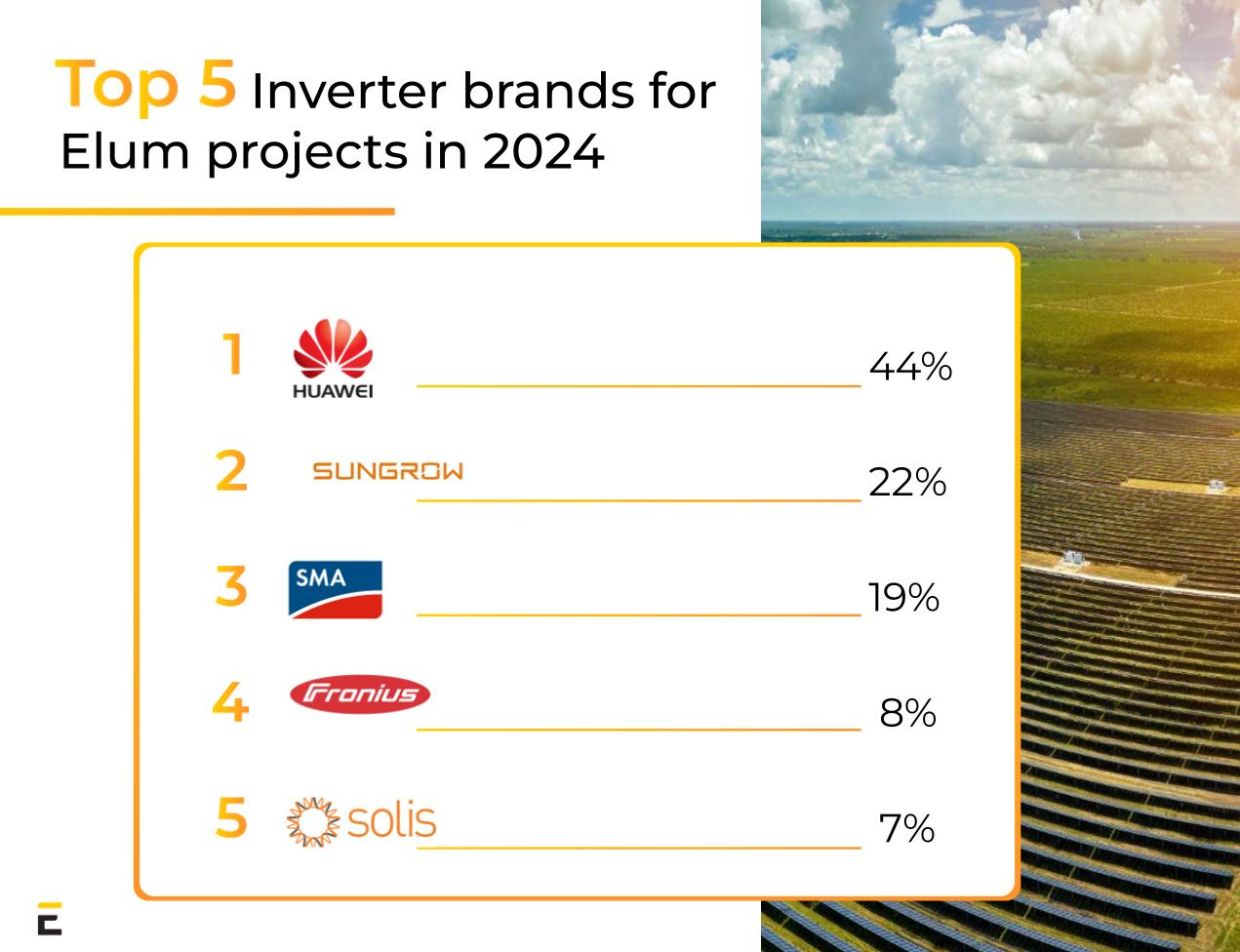
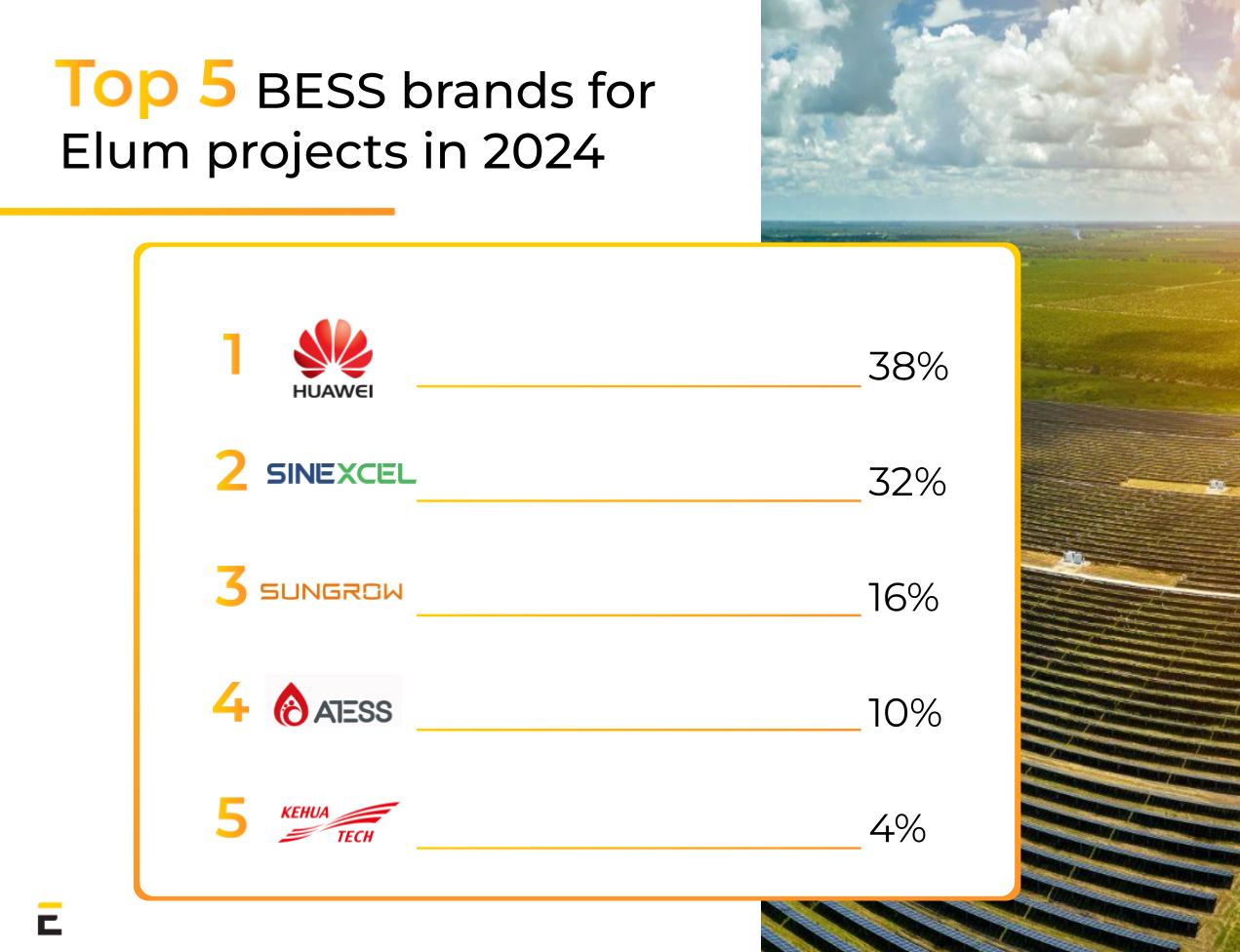
The ePowerControl PPC is compatible with approximately 95% of inverter and BESS equipment available on the market, allowing project developers to work with their preferred hardware vendors without controller compatibility constraints.
Grid-Tied and Off-Grid Applications
Grid-Tied Utility Scale
In grid-tied applications, the PPC manages the plant’s interaction with the transmission or distribution network. The primary functions are active power control, reactive power support, and compliance with the grid connection agreement. For large utility-scale plants above 1 MWp, a power plant controller is typically a mandatory requirement for grid connection approval in most regulated markets.
Elum Energy has deployed the ePowerControl PPC in grid-tied utility-scale projects across France, Spain, sub-Saharan Africa, and the Indian Ocean region, with plant sizes ranging from 2 MWp to 14 MWp and above.
Off-Grid and Hybrid Applications
In off-grid and weak-grid contexts, the PPC coordinates operating modes, setpoints, asset dispatch, and transition logic between solar generation, BESS, and gensets. Voltage and frequency stability must be ensured by the appropriate grid-forming assets and electrical architecture .
This is the operating environment for many projects in sub-Saharan Africa and remote industrial sites in LATAM and Asia, where the PPC must handle islanded operation, seamless mode transitions, and load management in conditions where there is no external grid frequency reference to follow.

Further Reading
For a technical breakdown of how power plant controllers manage grid compliance in different interconnection scenarios, see our article on power plant controller fundamentals for grid-tied solar.
For an overview of Elum Energy’s full utility scale solar solutions, including SCADA integration, monitoring platform, and references.