Top 5 Inverter Brands for PV Hybrid Systems in 2025
Introduction
The growing adoption of hybrid PV systems has made inverter selection a critical factor for system performance, reliability, and return on investment. This year, certain brands stood out for their efficiency, advanced energy management features, and robust integration with battery storage, offering optimal solutions for commercial applications.
This overview highlights the top five inverter brands most frequently configured in Elum-managed hybrid PV systems in 2025, focusing on their key strengths, operational advantages, and ideal use cases.
1. Huawei
Huawei appeared in 34.9% of our hybrid inverter quotations last year, making it the most frequently deployed inverter in Elum-managed projects. These projects favored Huawei for its seamless battery integration, flexible backup options, and consistent performance across residential and commercial PV + storage setups.
Why Huawei appears often in Elum projects:
- Seamless battery integration for hybrid PV + storage
- Backup & self‑consumption support, storing energy to supply loads during grid outages
- Modular, scalable architecture, suitable for a wide range of system sizes
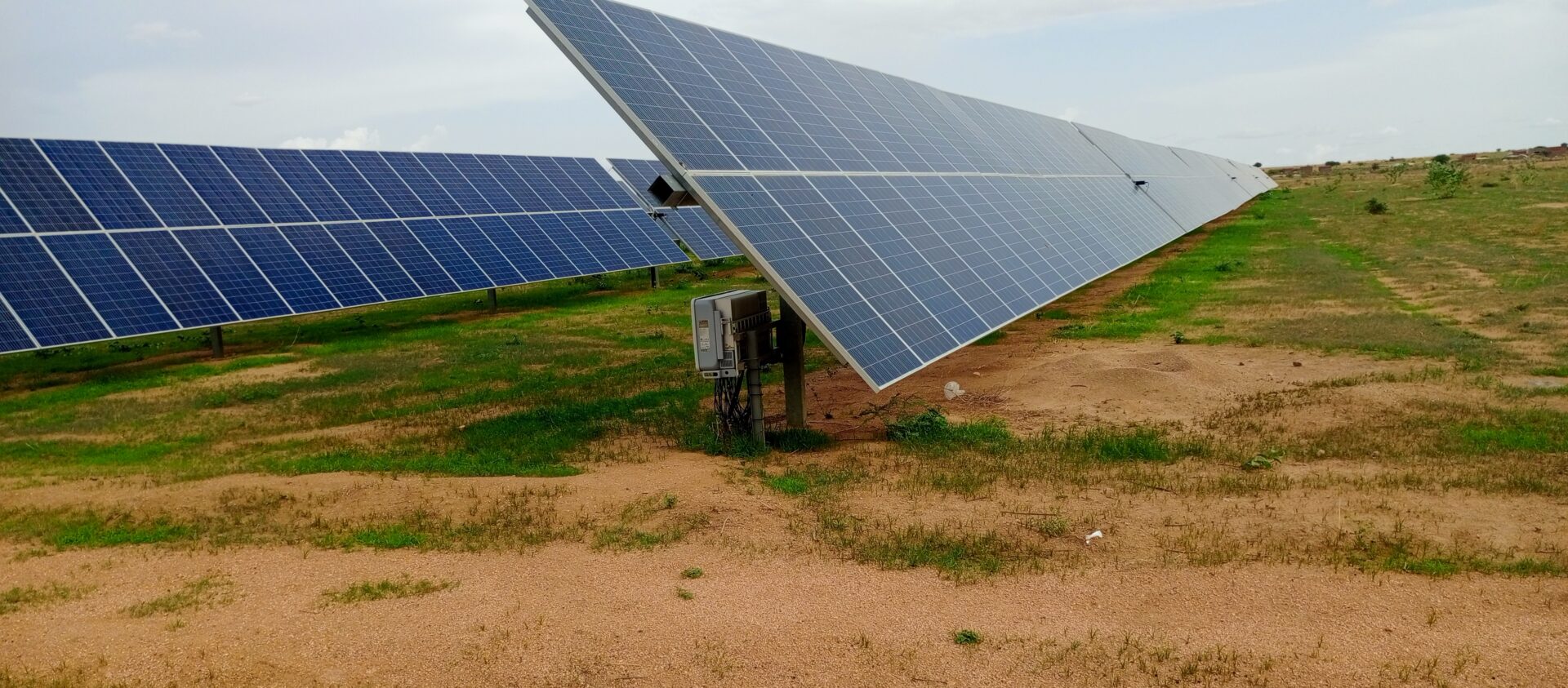
Example of a real life use case: In a utility‑scale hybrid plant in Chad, Huawei is listed as the inverter brand with PV (5 MWp), large BESS (5 MW / 10 MWh), and diesel gensets, showing Huawei being used even in large, utility‑scale, hybrid PV‑solar + storage + genset projects. Read the full use case.

2. Delta
Delta has retained 18.4% of our quotations over the past year, driven by its strong pedigree in power electronics and proven integration in BESS. As a diversified global company with deep experience in energy management, Delta is increasingly focused on PV + storage hybrid inverters and bi‑directional power conditioning systems for commercial and industrial deployments.
Why Delta appears often in Elum projects:
- Flexible system sizing, from small to medium hybrid systems
- Solid reputation in commercial deployments signals stability and reliability

3. Sungrow
Sungrow has retained 11.9% of our quotations over the past year. Offering a strong mix of innovation, reliability, and scalability, Sungrow has emerged as a powerhouse in the hybrid inverter space. Its hybrid inverters are used in commercial, and utility-level PV + storage systems, and they excel especially in markets requiring flexible backup, efficient energy management, and grid-forming capability.
Why Sungrow appears often in Elum projects:
- Supports multiple configuration sizes, and allow parallel battery/inverter setups
- Reliable backup and continuous supply, enhancing energy resilience
Example of a real life use case: A Solar Diesel Integration project in Chile lists 8 × Sungrow SG110CX inverters, combined with PV (880 kWp) and two diesel generators. The project uses Elum’s controller to manage hybrid power flows and reduce CO₂ emissions while ensuring reliable power among PV, diesel and grid components. Read the full use case.

4. SMA
SMA has retained 8.7% of our quotations over the past year. Known for its long-term reliability, advanced grid-support features, and strong performance in both grid-tied and hybrid applications, SMA remains one of the most established and trusted inverter manufacturers in the global solar industry.
Why SMA appears often in Elum projects:
- When paired with battery storage, systems offer backup power supply during grid outages
- Hybrid systems from SMA are battery‑ready
Example of a real life use case: At an industrial site in Malaysia, the PV plant (4.7 MWp) uses 32 × SMA STP Core 2 110 kW inverters, managed under Elum’s controller solution, demonstrating SMA’s use in a large grid‑tied commercial/industrial PV installation. Read the full use case.

5. Fronius
Fronius has captured a notable 5.0% of our hybrid inverter quotations this past year, thanks to its strong reputation for innovation, quality, and flexible energy management. As a well-established Austrian company in the solar industry, Fronius continues to evolve its hybrid inverter offerings to meet the needs of self-sufficient commercial systems.
Why Fronius appears often in Elum projects:
- Flexibility in system design, making them suitable for commercial, or mixed-use hybrid installations
- Good service support and global presence, helpful when deploying hybrid systems in multiple geographies with varying grid reliability
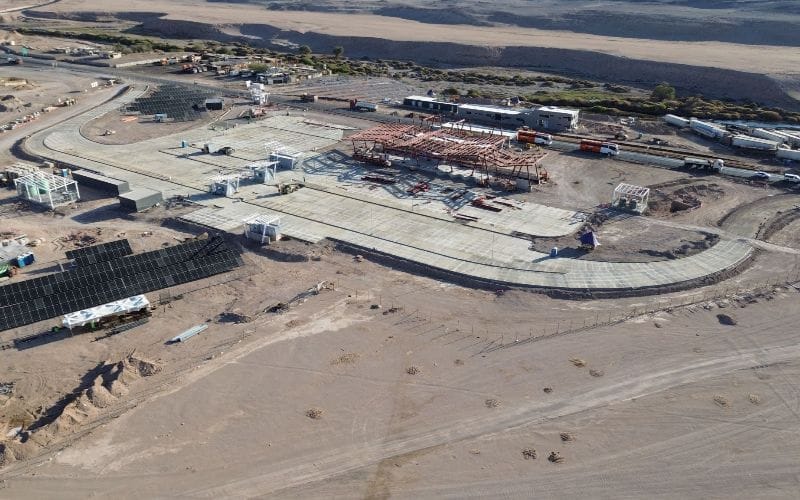
Example of a real life use case: The off-grid Quillagua Customs Complex in Chile operates a hybrid solar + storage + diesel system with Fronius inverters, providing reliable, self-sufficient power in a harsh desert environment. Read the full use case.

Note: Data is based on Elum Energy quotations and integrated hybrid PV projects from 2024–2025. This is not a universal market rating, but a data-driven reflection of the inverters most commonly configured, commissioned, and operated within Elum-controlled (ePowerControl) systems across Africa, LATAM, the Middle East, Asia, and Europe.
project with us?